High-Ranking Military Source: U.S. Maritime Blockade to Face "Practical, Unprecedented" Military Action
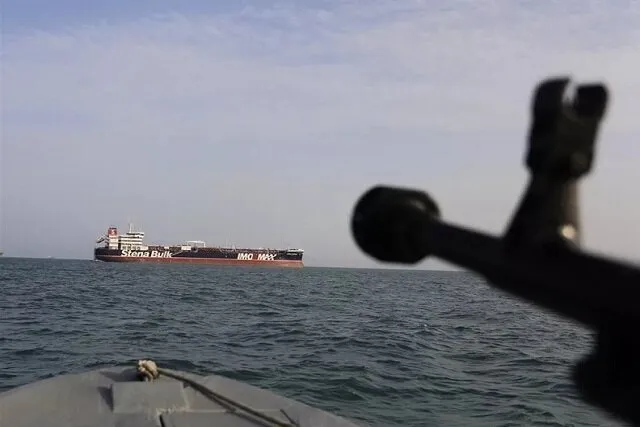
Tehran - BORNA - According to military officials, the Armed Forces—operating under the Khatam al-Anbiya Headquarters as the central war command—believe that strategic patience has its limits. If Washington maintains its blockade around the Strait of Hormuz, a punishing and decisive response has become a strategic necessity.
The source emphasized that Iran has proven throughout the current conflict that the United States is no longer facing a passive or predictable adversary.
"Through the resistance of the nation and the decisive leadership of the Leader of the Islamic Revolution, Ayatollah Seyyed Mojtaba Khamenei, Iran has managed to neutralize and discredit every option the U.S. has brought to the table," the official stated.
The source clarified that the restraint shown by Iranian forces thus far was a calculated effort to give diplomacy a chance. This "strategic pause" was intended to allow Washington to understand Iran’s conditions for a permanent end to the war and to provide President Donald Trump an opportunity to withdraw from the current military quagmire.
However, the official warned that if American "obstinacy and delusions" continue and Iran’s conditions are rejected, the enemy should expect a significantly different response to the ongoing blockade, which Tehran characterizes as "maritime banditry."
Addressing the economic consequences of the tensions in the Strait of Hormuz, the source noted that while such actions affect all global stakeholders, Iran is uniquely positioned to endure. Decades of experience circumventing sanctions and thousands of kilometers of land borders make Iran far more resilient to economic pressure than the United States. Furthermore, the official contrasted Iranian public opinion, which holds the U.S. responsible for the crisis, with American public opinion, which increasingly blames the incumbent U.S. administration for initiating an unprovoked war and its aftermath.
Nearly 60 days into the war imposed on the Islamic Republic, which began on February 28 during nuclear negotiations, military analysts suggest the U.S. is now searching for an "off-ramp." Following the expiration of a two-week ceasefire, the Trump administration has reportedly been engaging in back-channel talks through Pakistan to resume negotiations with Iran. The high-level source concluded that a decisive response to the naval blockade is now deemed necessary by the top military command to completely discredit the final remaining options of the U.S.-led coalition.
End Article