Pezeshkian to Japanese PM: Diplomatic Progress Depends on Cessation of U.S. Provocations
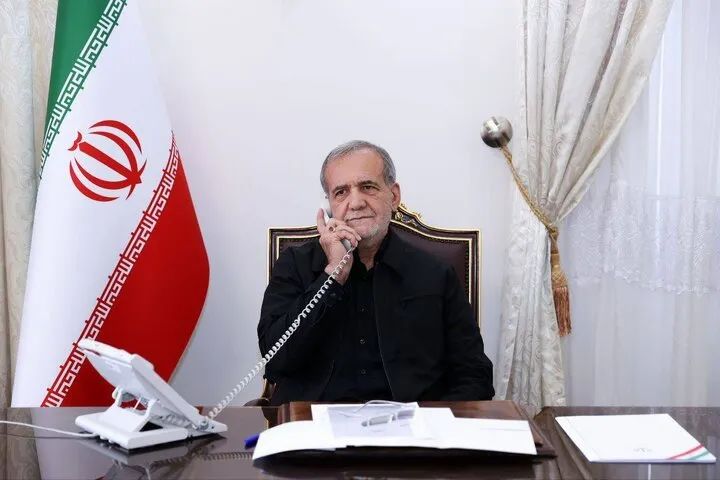
Tehran - BORNA - Masoud Pezeshkian, the President of the Islamic Republic of Iran, and "Takeichi," the Prime Minister of Japan, today—April 30—exchanged views in a telephone conversation regarding the latest regional and international developments and bilateral relations.
In this conversation, describing the crimes of the U.S. and the Zionist regime in the 40-day imposed war against Iran, the President stated: "The cowardly assassination of the Leader of the Islamic Revolution, a group of senior political and military officials, and the people of Iran; the targeting of public facilities, schools, and hospitals; and the dangerous act of the aggressors in targeting peaceful nuclear facilities under the supervision of the International Atomic Energy Agency are instances of war crimes and contrary to international standards."
Pezeshkian described the statements of U.S. officials simultaneously with the blockade of Iranian ports as provocative, considered this behavior unacceptable and contrary to international laws and regulations, and emphasized: "These actions lead to the regional situation becoming more complicated."
In another part of his speech, he described the will of the government, people, and armed forces of Iran in defending Iran’s definite and legitimate rights as firm, emphasized the readiness to continue following the path of diplomacy with the aim of reaching a just solution that guarantees the observation of Iran's rights and the establishment of peace and tranquility in the region, and considered the realization of this matter contingent upon the cessation of the expansionist approach and provocative actions of the American side.
The President of the Islamic Republic of Iran, stating that the insecurity imposed on the Persian Gulf region and the Strait of Hormuz is an aggressive act by the U.S. and the Zionist regime against Iran, stated: "The continuation of provocative and illegal U.S. actions in blockading Iranian ports and assaulting Iranian commercial ships is in line with those same aggressive actions, and it is necessary for all countries to take a clear and decisive position in condemning the U.S. action in maritime piracy and threatening international navigation."
In this telephone conversation, the Prime Minister of Japan also emphasized that Tokyo attaches special importance to the continuation of stable and friendly relations with the Islamic Republic of Iran, described Iran's role in the stability and security of the region as prominent, and said: "Japan believes that the continuation of dialogues and consultations will help reduce tensions at the regional level."
The Prime Minister of Japan, thanking for the permission for the Japanese ship to commute through the Strait of Hormuz, requested the safe passage of other Japanese ships through this strategic waterway and emphasized the importance of shipping security in this region.
Takeichi emphasized the effort for the peaceful settlement of tensions in the Middle East and considered diplomacy the main path for managing disputes and reducing tensions.
The Prime Minister of Japan also expressed hope that the negotiations between Iran and the U.S. would resume soon to ultimately lead to reaching a final agreement.
The leaders of the two countries in this telephone conversation emphasized the continuation of consultations for deepening bilateral relations and promoting the level of cooperation.
End Article