Russian Official: Tehran and Moscow Capable of Breaking Trade Records
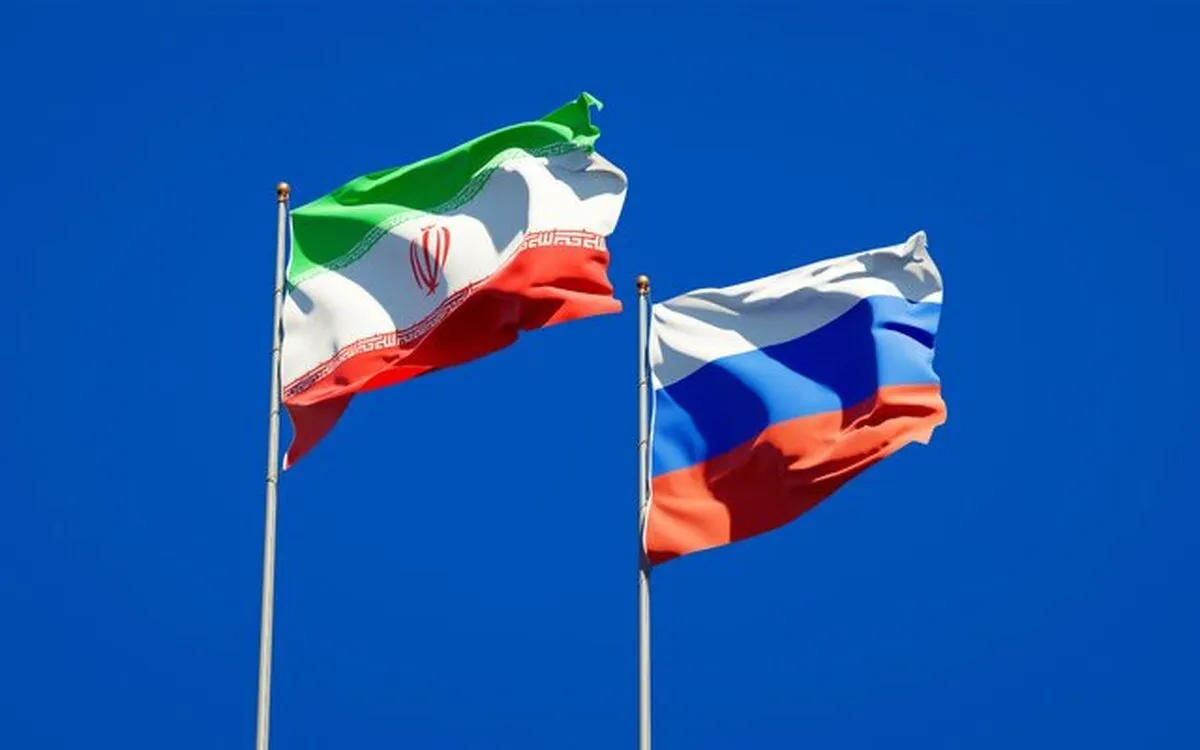
Tehran - BORNA - Alexey Efimov, Russia's Acting Trade Representative in Tehran, summarized the economic cooperation between the two countries leading into 2025 in an interview with a Russian media outlet. He discussed the prospects of bilateral projects and how mutual settlements are adapting to the Iranian currency.
Regarding the results of trade and economic cooperation between Iran and Russia this year and whether the $5 billion record of 2022—when trade reached its peak—could be repeated, Efimov stated: "Moving away from dry statistics, I want to emphasize that 2025 will be a significant turning point in the development of the Russia-Iran partnership. On October 2, 2025, the Comprehensive Strategic Partnership Agreement between Russia and Iran officially came into force."
In his interview with RIA Novosti, Efimov further clarified: "Previously, on May 15, the Free Trade Agreement between the Eurasian Economic Union (EAEU) and its member states and Iran also came into effect, which will provide further impetus for bilateral Russia-Iran trade."
He added: "Essentially, a new stage of comprehensive Russia-Iran cooperation is beginning, involving crucial components such as economic integration, free trade, mutual investment, industrial and technological cooperation, and transport and logistics."
Trade Statistics and Future Outlook
Regarding mutual trade figures, the Russian official stated: "Accurate data will only be available in the second half of February 2026, when customs authorities receive precise information on foreign trade transactions. The 19th meeting of the Russia-Iran Joint Permanent Commission on Trade and Economic Cooperation (IPC) is scheduled to be held in Tehran during this same period. This meeting will summarize the work of government agencies and the business community aimed at creating favorable conditions for robust trade relations."
He continued: "Key objectives will be identified to fully address new international challenges, facilitate increased trade turnover, and promote investment through joint projects across various economic sectors."
Efimov noted that the Russian trade mission in Iran has worked with government organizations and the business communities of both countries over the past year to implement previous agreements. "In summarizing the interim results of 2025, we describe them as positive, stable, and possessing significant potential for future qualitative growth," he specified.
He emphasized that the current growth in trade turnover is occurring in a highly challenging external environment: "amidst sanctions pressure and the restructuring of logistics and financial settlements. Nevertheless, the transition to payments in national currencies, the development of the International North-South Transport Corridor (INSTC), and closer cooperation between business communities have allowed us to maintain this positive momentum."
Efimov considered reaching the 2022 record possible, asserting: "Under favorable economic conditions, we could even surpass it. This requires political will from both sides, increased business interest, and a strategic understanding that the Russia-Iran economic partnership is long-term."
Gas Supply and Sanctions Impact
Responding to a question regarding progress in organizing Russian gas supplies to Iran, he referred to the strategic memorandum signed between Russian and Iranian gas companies for the development of Russian natural gas supplies via pipeline. "Once final decisions are made and project deadlines are set, the results will undoubtedly be officially announced. Currently, we can say that the interest of both sides has been confirmed and consultations are ongoing," he said.
Regarding the impact of the return of international sanctions against Iran on trade relations, Efimov stated: "Certainly, the return of these sanctions affects trade and economic relations, but it is worth noting that this impact is not critical. Rather, it involves additional costs and more complex logistical and financial transactions, not the limitation of cooperation."
Integration of Payment Systems
On the impact of integrating Russia's Mir and Iran's Shetab payment systems, the Russian official said: "This integration has become a major practical step in developing trade relations. Its significance primarily lies in removing some infrastructure barriers that previously hindered business activity and transactions between our countries."
He concluded: "However, it is important to understand that at this stage, the integration of Mir and Shetab is not a universal solution for all foreign trade settlements. The bulk of trade volume is still processed through banking channels, brokerage accounts, and specialized settlement mechanisms. The payment systems primarily complement this architecture, making it more resilient and diverse."
End Article