Pentagon Estimates 6 Months for Hormuz Mine Clearance Amid Rising Concerns
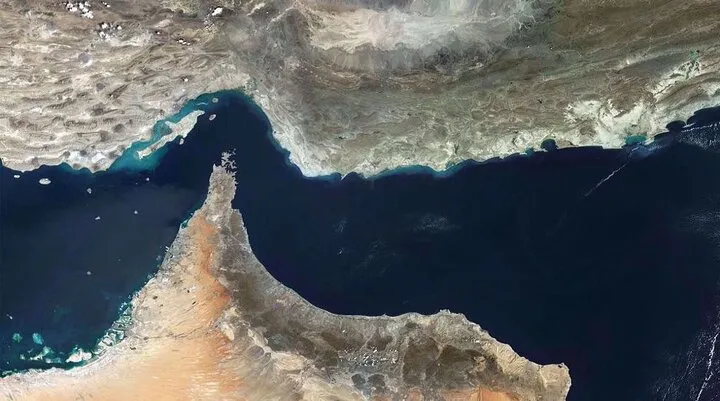
Tehran - BORNA - Three officials familiar with the discussion stated that a senior Pentagon official told the House Armed Services Committee on Tuesday that the operation is unlikely to be completed before the conclusion of the war between the U.S. and Iran.
The Washington Post noted that this timeline has frustrated both Democrats and Republicans, as it implies that gasoline and oil prices will remain elevated long after a potential peace deal is reached. Such a scenario could have significant political ramifications in the U.S., particularly for Republicans as the November midterm elections approach. Polls indicate that President Donald Trump’s approval ratings have declined since the conflict began, leaving his political base divided.
The officials, speaking on condition of anonymity, informed lawmakers that Iran has likely deployed a limited number of mines—estimated at 20 or more—around the strait. Some of these are sophisticated mines deployed remotely using GPS technology, making them difficult for the U.S. Navy to detect.
The Pentagon did not respond to inquiries on Wednesday regarding the military's assessment of the demining duration. U.S. Central Command (CENTCOM) and the White House also declined to comment or referred questions back to the Pentagon.
Prior to the conflict, approximately 20% of the world's oil passed through the Strait of Hormuz, with Asian nations such as Japan, South Korea, and China heavily dependent on this energy corridor.
The report adds that lawmakers were briefed on the Pentagon's latest assessment following Trump’s claims on Truth Social that "Iran, with the help of the U.S.A., has removed, or is removing, all sea mines." These statements appeared to be an attempt to calm global markets and project confidence that a final peace agreement was imminent.
While the U.S. military's exact plan remains unclear, officials have mentioned the potential use of helicopters, drones, and specialized underwater explosive-disposal units.
Although some commercial ships transited the strait during this month's ceasefire, traffic stalled again last weekend. This followed moves by Iranian forces to "enforce regulations" against oil tankers and declare the waterway closed in response to the continued U.S. naval blockade of Iran.
Richard Nephew, an expert on Iranian diplomacy and a senior researcher at Columbia University, told the Washington Post that the six-month clearance timeframe would likely "jolt" oil and gas markets due to the extreme anxiety insurers, captains, and shipowners feel regarding mined waters. "Many won't want to run that risk," Nephew said, adding that even if the strait isn't completely closed, the partial unreadability of the waterway could have severe consequences.
The closure of the Strait of Hormuz remains a primary point of contention between Washington and Tehran, triggering a global crisis and driving up the costs of essential goods worldwide.
End Article