New US Sanctions: Pressure on Iran or a Link in the U.S.-China Confrontation?
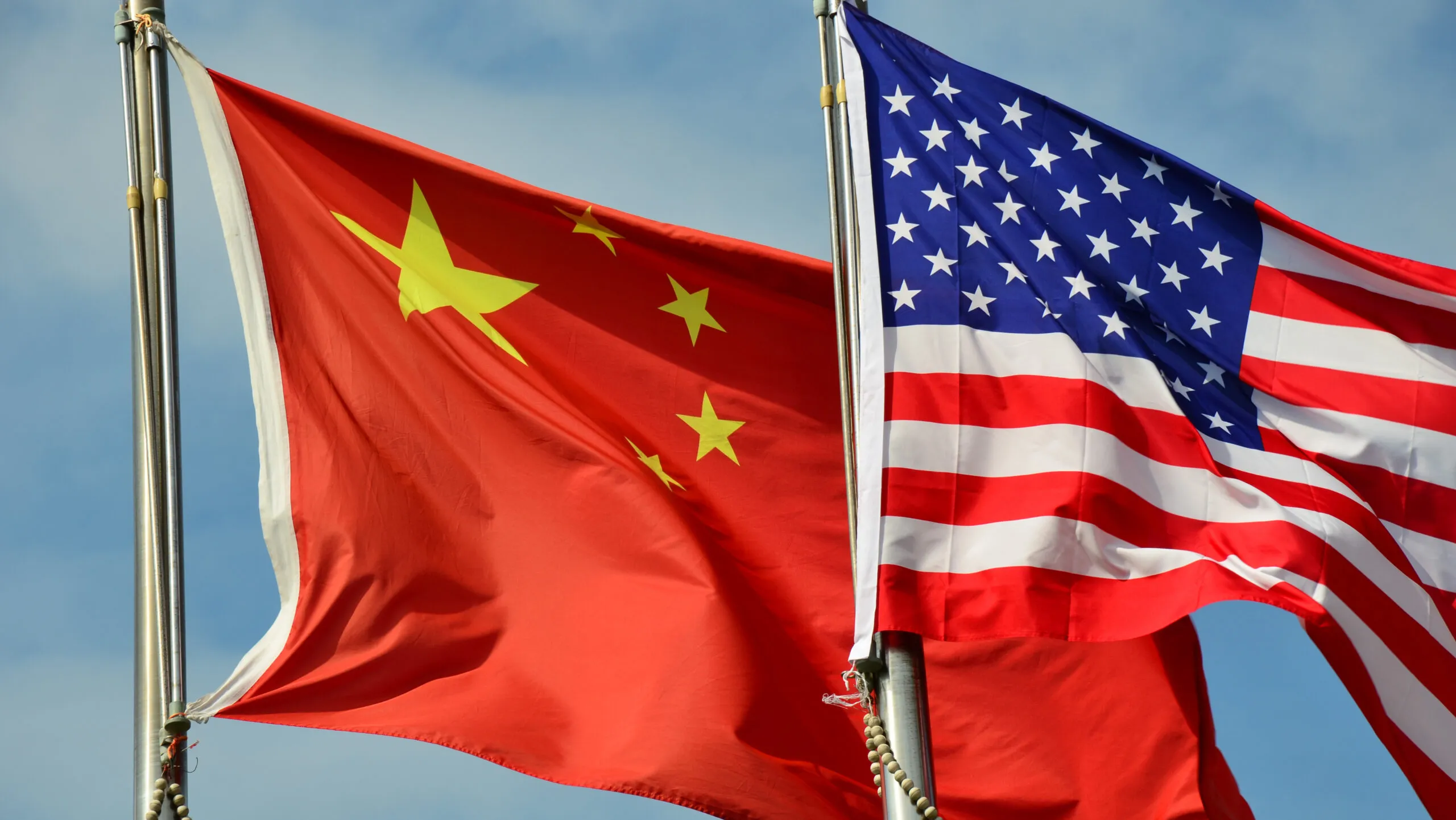
Tehran - BORNA - U.S. Treasury Secretary Scott Bessent recently announced a new sanctions package designed under the pretext of "economic pressure" against Iran. However, in practice, the sanctions targeted Hengli Petrochemical (Dalian)—China’s second-largest independent oil refinery—along with approximately 40 shipping companies linked to the energy supply chain.
Beyond direct sanctions, Bessent revealed in a statement that Washington has sent letters to banks in numerous countries, threatening bilateral tariffs and fresh sanctions if they cooperate with the "shadow fleet shipping lines of China and Iran."
At first glance, this move aligns with Washington’s declared policy of restricting Iran's financial resources. However, when viewed through the lens of the long-term competition for global leadership, it appears as part of an intensifying structural confrontation between the two world powers.
Earlier, President Donald Trump—under the guise of countering a "Maduro-led drug cartel" in Venezuela—carried out a military operation to abduct President Nicolás Maduro and his wife, subsequently installing Delcy Rodríguez as president. This action ultimately led to U.S. control over Venezuelan oil exports to China, which had previously been conducted at significant discounts.
Observers believe that by launching military aggression against Iran, Trump aims not only at the declared goals of "containing Iran" and supporting the Zionist regime but also at undermining Beijing's position in West Asia—a region vital to China for energy security and major economic initiatives.
With the onset of the Ramadan War and the disruption of shipping lanes in the Strait of Hormuz, a vast portion of the energy shipments required by Asia, and specifically China, has become inaccessible. According to data from the Center on Global Energy Policy, China secures over 84% of its required oil from Persian Gulf countries.
Specifically, the General Administration of Customs of China (GAC) reports that China imports 42% of its crude oil—equivalent to 4.9 million barrels per day—from Saudi Arabia (14%), Iraq (11%), the UAE (7%), Oman (6%), Kuwait (3%), and Qatar (1%).
In this context, the disruption of shipping in the Strait of Hormuz and damage to the petrochemical infrastructure of Iran and neighboring countries has a direct impact on China. This blow to the Chinese economy is seen as one of the strategic objectives behind the U.S. war against Iran and the subsequent destabilization of energy markets.
Recent developments indicate that the U.S.-China rivalry has entered a more complex, multilayered phase, extending from economic sanctions and energy wars in the Middle East to potential military confrontation in East Asia.
The intersection of regional crises with Great Power competition not only challenges the international order but also heightens the risk of broader conflict. The "hidden war" between Washington and Beijing is no longer a limited rivalry; it is gradually evolving into an all-encompassing confrontation with global consequences.
End Article