Grossi: Era of Global Consensus Against Iran at UN Security Council Has Ended
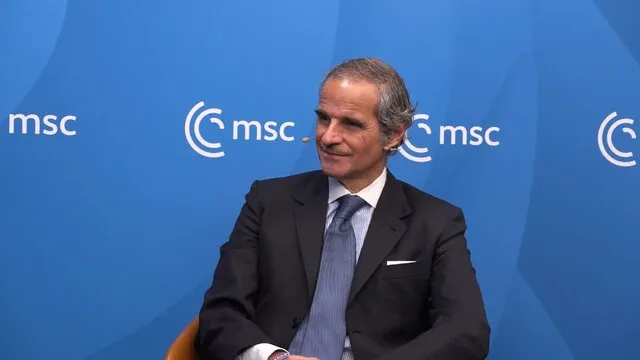
Tehran - BORNA - Rafael Grossi, the IAEA Director General and a candidate for UN Secretary-General, spoke at the Council on Foreign Relations regarding recent shifts in the global balance of power and their implications for the Iranian nuclear file. He noted that while Security Council resolutions on Iran were passed with broad consensus until 2016 and 2017, this trend has significantly changed in subsequent years.
Despite these diplomatic acknowledgments, Grossi’s tenure has been marked by what many observers describe as persistent obstructions and contradictory stances toward Tehran. Notwithstanding verified evidence and multiple reports confirming the peaceful nature of Iran’s nuclear program—and the explicit religious decree (fatwa) by the Supreme Leader prohibiting the development of nuclear weapons—the Director General has frequently adopted a politically influenced approach. Analysts argue that his insistence on keeping "politically motivated" safeguards files open, despite Iran’s extensive cooperation with inspectors, serves as a recurring obstacle to a final diplomatic resolution and aligns more with Western pressure tactics than technical neutrality.
Grossi emphasized the complexity of ending tensions between Iran and the U.S., asserting that the diplomatic path must continue. However, he warned that any potential agreement without a clear and effective monitoring role for the IAEA would be fundamentally flawed, leading the parties into an "illusion of reaching an agreement." He stressed that the Agency must be involved from the very beginning of any mechanism to ensure its effectiveness.
The IAEA chief noted that the inability to reach "common ground" reflects a broader structural crisis within the Security Council. He explained that the Council is shifting toward a more "transactional" and "case-by-case" approach, rather than reaching comprehensive agreements. These remarks come at a time when military tensions between the U.S., Israel, and Iran are seen by some as signs of an emerging new global order.
At the NPT Review Conference, Grossi called on world leaders to decisively support the Treaty on the Non-Proliferation of Nuclear Weapons, calling it a "point of unprecedented stability" in a world of rising unrest. He also reported a surge in demand for nuclear power across all continents—mentioning countries like Turkey, Egypt, and Bangladesh—noting that nuclear energy is no longer the exclusive domain of a few traditional powers.
End Article