Maariv: Iran-US Negotiations Have Made Tehran More Powerful Than Ever
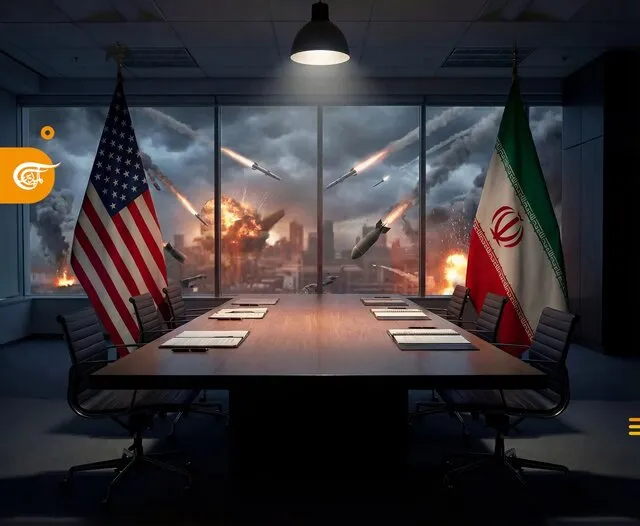
Tehran - BORNA – Alon Ben-David, a senior military analyst for Maariv, noted that while it is too early to speculate on the final framework of an Iran-US agreement, two clear trends are shaping the talks: both sides are highly interested in a deal, and Iran, despite the damage sustained in the war, is entering negotiations from a position of strength and without the time pressure facing the Americans.
Failure of Regime Change Goals
The Zionist analyst added that even before a final agreement, it is clear the outcome will fall far short of the goals set by the U.S. and Israel. He noted that while Donald Trump and Benjamin Netanyahu aimed to "topple the Iranian government" or at least "destabilize" it during the 40-day war, those goals have been entirely abandoned.
"It is true that Iran lost its Supreme Leader and key figures, but it is emerging from this war more powerful," Ben-David wrote.
The Nuclear and Missile Files
Regarding the second goal of the war—inflicting terminal damage on the nuclear program—Ben-David observed that despite 40 days of intense strikes on all sites, the program was not shut down.
He highlighted that Iran still possesses 440 kg of 60% enriched uranium and approximately one ton of 20% enriched uranium, keeping Tehran on the nuclear threshold. He claimed that anything less than the full removal of enriched uranium from Iran would allow it to revive the program, marking a "major victory" for Tehran.
On Iran's missile program, the analyst admitted that dismantling it is not feasible. While he claimed the air force caused significant damage, he noted that the issue seems to have been removed from the Islamabad negotiation agenda.
He warned that Iran retains extensive missile production capabilities, leaving Israel vulnerable.
Economic Recovery and Regional Dominance
Ben-David emphasized that the economic aspect of the deal will dictate Iran’s regional status. If sanctions are lifted and oil exports resume, Iran is expected to earn hundreds of billions of dollars annually, which it could quickly use to rebuild its missile, naval, and air power.
Control Over the Strait of Hormuz
The analyst expressed particular concern over the strategic status of the Strait of Hormuz. He noted that prior to the February 28 attacks, the Strait was viewed as an international waterway. However, he warned: "If the Americans confirm Iran's right to determine and collect transit fees, Iran will gain control over the economies of all Gulf nations, including Saudi Arabia, Kuwait, Qatar, and the UAE." He concluded that such a development would make these countries dependent on Iran for their livelihood, rendering Tehran "more powerful than ever."
End Article