The Atlantic: Trump’s endgame against Iran is nothing short of US surrender
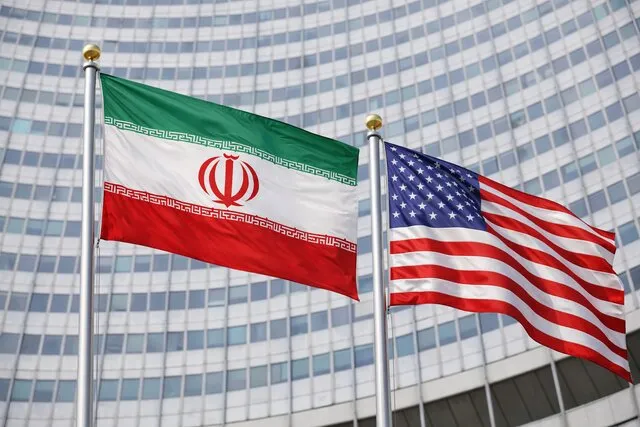
Tehran - BORNA - The analysis, authored by prominent neoconservative theorist Robert Kagan, notes that signs already indicate Trump is attempting to withdraw from this self-inflicted crisis before the American public fully grasps the scale of the strategic failure.
Kagan wrote: "Trump's endgame in the war with Iran is now coming into view. Trump reportedly explained in a phone call to Israeli Prime Minister Benjamin Netanyahu that the United States is negotiating a 'memorandum of understanding' with Iran—a document that would 'formally end the war and launch a 30-day period of negotiation' over Iran's nuclear program and the reopening of the Strait of Hormuz. The purpose and consequence of such an agreement are clear: the United States is backing away from the crisis."
He emphasized that even if Trump launches a limited, performative strike in the coming days to appease war hawks and maintain a tough posture, it would merely be theater. "The endgame for him along this path means the same thing: surrender."
Iran's upper hand and strategic calculations
Reviewing the trajectory of the conflict, the analysis highlights that the war has yielded significant surprises for the Trump administration. Following a March 18 attack on Iran's Pars gas field, Tehran retaliated by striking a vital natural gas facility in Qatar. This prompt response forced Trump to demand a halt to US-Israeli strikes on Iranian energy infrastructure, effectively freezing the kinetic conflict and rendering his subsequent threats empty.
Kagan noted that leadership in Tehran correctly calculated that Trump would not launch another major offensive. Consequently, despite enduring 37 days of relentless strikes, Iran has refused to grant concessions. Instead, Tehran’s conditions for a settlement resemble those of a victor: demands for war reparations, unrestricted uranium enrichment, formal recognition of Iranian control over the Strait of Hormuz, and an end to all sanctions.
The senior Brookings Institution analyst argued that Trump's proposal for a 30-day ceasefire and negotiation is an implicit admission of defeat. He added that after a month-long pause to repair, rearm, and replenish its treasury with maritime transit fees, Iran will emerge as an even more formidable adversary.
The new order in the Strait of Hormuz
Citing reports from the Institute for the Study of War (ISW), the article suggests that during the 30-day ceasefire, Iran’s new regulatory framework for the Strait of Hormuz could become fully institutionalized. By normalizing its control over the waterway, Tehran is prompting oil-importing nations to sign transit agreements with Iran, while charging transit fees to countries lacking such agreements.
According to Iranian officials, this new system prioritizes strategic partners like Russia and China, while allowing friendly nations like India and Pakistan to conclude their own transit frameworks. Conversely, vessels linked to nations deemed hostile by Iran will face outright bans from accessing the strategic waterway.
Kagan revealed that nations including South Korea, Turkey, and Iraq are already negotiating at least temporary transit agreements with Tehran. With Trump signaling a reluctance to fight to reopen the Strait, a rush by international actors to secure favorable terms from Iran appears inevitable to stabilize their energy-dependent economies. Consequently, international sanctions against Iran face collapse as its central role in the global energy economy is normalized.
A face-saving distraction and Israel's isolation
The author suggests that Trump hopes to quietly slip away from the quagmire. Financial markets may stabilize once it becomes clear that oil will flow through the reopened Strait—even under an Iranian-controlled regulatory regime—as a major strategic defeat for the United States does not necessarily disrupt Wall Street. Kagan also noted that the president might look to pivot media attention toward a separate military operation against Cuba to distract from the unfolding disaster regarding Iran.
The analysis further highlights the severe implications of this outcome for Tel Aviv, noting that Netanyahu was reportedly furious following his phone call with Trump. Kagan describes the conflict as potentially the most devastating blow to Israel's security in its history, leaving Iran significantly stronger and wielding leverage over dozens of wealthy nations that rely on its goodwill.
The author concludes by warning that a stronger, well-funded Iran will revitalize regional resistance groups and unravel the Abraham Accords, as Gulf states seek separate accommodations with Tehran. If Israel refuses to passively accept this shifting balance of power where Iran replaces the US as the regional arbiter, the new normal in the Persian Gulf will likely be marked by chronic instability and recurrent disruptions to global shipping.
End Article