Iran and Russia Sign 3-Year Cooperation Roadmap to Solidify Strategic Ties
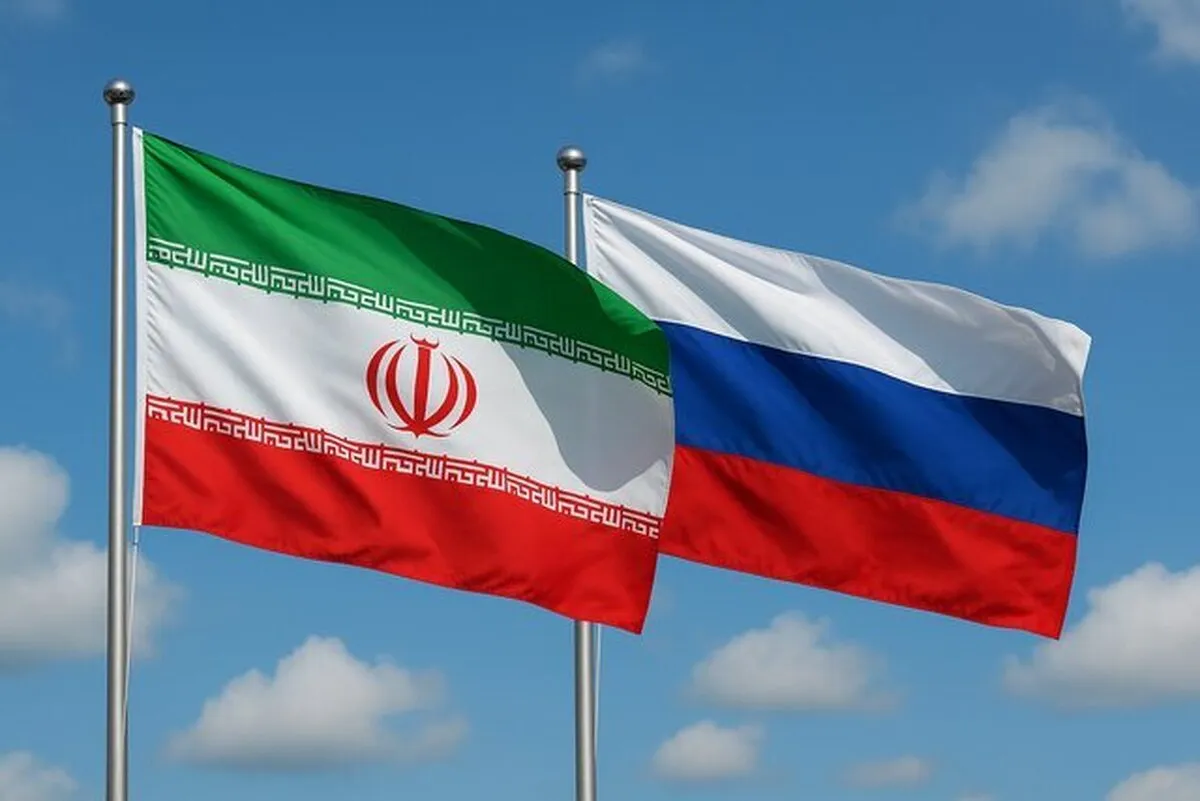
Tehran - BORNA - Following extensive negotiations in Moscow, the two top diplomats signed the document aimed at structuring consultations between their respective ministries for the next three years. This program serves as an executive roadmap following the activation of the "Comprehensive Strategic Partnership Treaty," a landmark agreement recently finalized and ratified by Presidents Masoud Pezeshkian and Vladimir Putin.
A New Era of Strategic Coordination
In a joint press conference, Sergey Lavrov emphasized that the implementation of the strategic treaty provides a "fresh momentum" to bilateral cooperation. He noted that the recent meeting between the Iranian and Russian presidents in Ashgabat set clear objectives for the two nations to enhance coordination in international and regional arenas, ultimately strengthening security within their shared neighborhood.
Lavrov highlighted the multifaceted nature of the relationship, stating that political dialogue is flourishing not only at the ministerial level but also through civil society interactions, which further solidifies the foundation of good-neighborly ties between the two powers.
Economic Growth and Trade Expansion
Addressing economic cooperation, the Russian Foreign Minister reported a positive trajectory in trade and investment. He revealed that trade volume between Iran and Russia grew by more than 10% during the first ten months of the current year. This follows a decade of consistent growth, with trade exchanges recording an overall increase of more than 15% over the past ten years.
Critique of Western Policies and Global Trends
Turning to international developments, Lavrov offered a sharp critique of Western approaches to the Ukraine crisis and global law. He accused Western nations of attempting to manipulate international legal instruments for their own benefit, describing such actions as a reflection of "neo-colonial policies."
"Western countries have grown accustomed to living at the expense of others, a practice that has evolved from traditional colonialism to modern economic dependencies affecting parts of Africa and Asia," Lavrov stated. He strongly condemned unilateral and illegal sanctions, asserting that these measures are systematically destroying international relations and the foundations of globalization.
Lavrov concluded by noting that European powers are currently attempting to undermine the policies of the Trump administration regarding the Ukraine crisis, a move he characterized as a disregard for established international principles and a contributing factor to the fragmentation of global processes.
End Article