The Future of Silicon Valley Under Trump's AI Policies
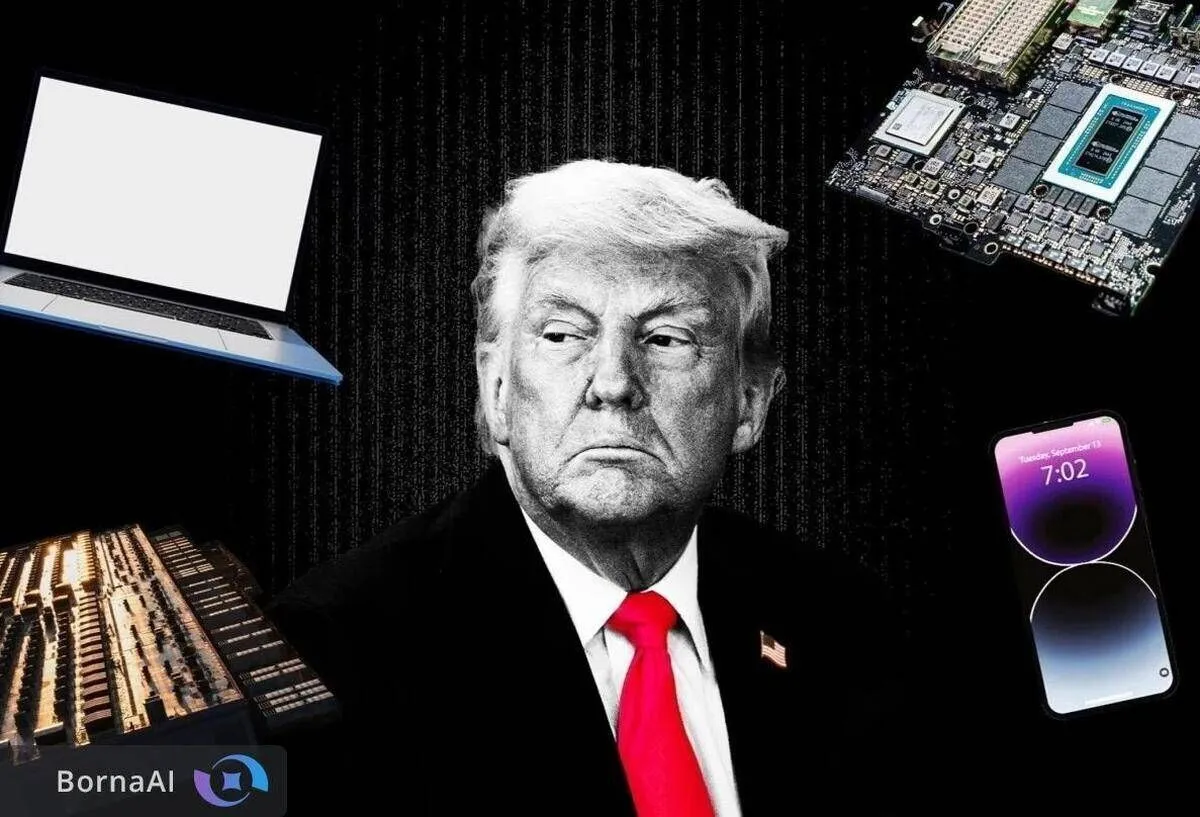
Tehran - BORNA - As AI becomes one of the foundational pillars of 21st-century industrial and social transformation, the U.S. president’s plans for the development and deployment of artificial intelligence are set to have significant effects not only domestically but also globally. Trump recently unveiled his AI action plan, a roadmap designed specifically to facilitate the expansion of AI in the United States. Inspired by his close ties with key Silicon Valley allies, the plan adopts a conservative stance centered around deregulation and incentivizing major tech firms. But is this strategy truly beneficial for Silicon Valley or could it introduce new and complex challenges?
Deregulation and the Data Center Boom
One of the core elements of Trump's AI policy is the reduction of regulatory hurdles, especially those governing the construction of data centers and the development of AI systems. While this deregulation is expected to benefit tech giants like Google, Amazon, and Microsoft companies heavily invested in AI infrastructure it could also spark backlash from environmental groups and human rights advocates. Easing oversight may lead to increased concerns about the environmental and societal impacts of large-scale technology projects.
Crackdown on “Woke AI”
A controversial part of Trump’s policy is aimed at combating what conservative circles refer to as “Woke AI.” This initiative seeks to challenge AI models and algorithms perceived to have political or ideological biases, particularly those supporting progressive social values. Critics argue that such rhetoric could directly oppose the efforts of many Silicon Valley companies that prioritize building inclusive and socially aware AI systems, with a focus on diversity, equity, and fairness.
Global Competition and External Pressures
On the international stage, Trump’s AI strategy could position the U.S. more competitively against China and other major tech powers. However, the domestic approach to AI governance may also lead to external pressures especially around data privacy, ethical standards, and human rights. Many U.S.-based tech companies are already facing growing international scrutiny and regulation, particularly from Europe, over how they collect and manage user data.
Silicon Valley's Future: Celebration or Caution?
While the Trump administration’s policy may expedite the approval of large-scale AI projects and reduce bureaucratic delays, the long-term implications could deepen social and political divides in the U.S. Deregulating oversight mechanisms may weaken accountability around algorithmic decision-making and data governance. This could, in turn, erode public trust in the very systems being developed under the guise of innovation and progress.
In the short term, Silicon Valley stands to gain economically from Trump's AI policies. Yet the industry must also brace for potential backlash both from domestic watchdogs and the global community. The lack of ethical guardrails and environmental considerations could invite criticism that undermines the credibility and sustainability of the tech sector.
Conclusion: Growth at What Cost?
Trump’s AI agenda presents a potential boost for innovation and economic expansion in the tech sector, particularly for Silicon Valley. But these benefits come with trade-offs. Without thoughtful regulation and ethical accountability, the rush to accelerate AI development could create serious societal and environmental consequences. For Silicon Valley, the future may indeed hold new growth but also heightened responsibility and risk.
About the author: Fateme Moradkhani covers technology, surveillance, and AI ethics for Borna News Agency, with a focus on global cyber power and digital militarization.
End article


